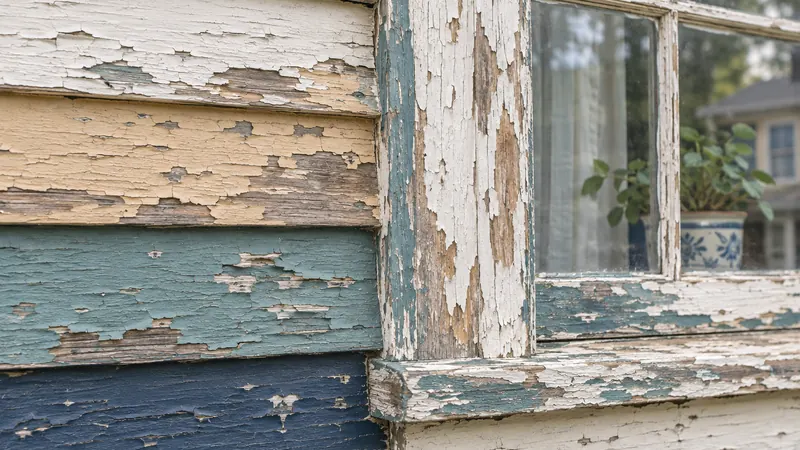
When you compare painting quotes, the warranty is easy to skim past. But it's part of what you're buying. A strong warranty shows a painter stands behind their prep and application. A vague one, or none at all, leaves you on your own if paint starts peeling next year.
Two kinds of warranties
Contractor workmanship warranty
This is the painter's promise to fix problems caused by their work. It usually covers labor and materials to repair failures like peeling, blistering or flaking that trace back to poor prep or application.
Paint manufacturer warranty
This comes from the paint company and covers defects in the paint itself. It typically covers replacement paint or a refund of the purchase price, not the labor to remove and reapply it. Since labor is most of the cost of a paint job, the manufacturer's warranty alone offers limited protection.
What a workmanship warranty typically covers
Typical covered problems include:
- Peeling paint
- Blistering
- Flaking or chipping caused by poor adhesion
- Excessive cracking in the paint film
Some contractors also cover issues like noticeable runs, sags or missed spots found after completion. Robinson Painting, a Colorado contractor, for example, says it will scrape, prime and repaint affected areas at no cost if peeling, blistering or chipping results from its workmanship.
How long warranties usually last
Warranty lengths vary widely by contractor and surface. Industry guides suggest:
- About 2 to 5 years on labor is common for residential painting, with exterior terms usually shorter than interior.
- One pricing guide describes 2 years for interior and 2 to 3 years for exterior as a common standard, with shorter terms for cabinets and decks.
Some contractors offer longer terms when premium paint is used. Robinson Painting, for example, ties a 10-year exterior labor warranty to one premium product line and a 5-year warranty to another. National franchise Five Star Painting lists a two-year warranty against peeling and blistering due to defective workmanship.
Longer isn't automatically better. A 10-year warranty from a company that won't be around in three years is worth less than a 2-year warranty from an established local business.
What warranties usually exclude
Exclusions are normal, because some paint failures aren't the painter's fault. Common exclusions include:
- Moisture problems, such as roof leaks, plumbing leaks, poor ventilation and clogged gutters
- Structural movement, settling and drywall cracks
- Normal wear and tear, fading and chalking
- Horizontal surfaces like decks, porches, railings and window sills
- Peeling of old paint layers applied before the contractor's work
- Customer-supplied paint or prep done by the homeowner
- Rust, rot and bleeding knots in wood
- Impact damage, abuse or harsh cleaning
Five Star Painting's warranty, for example, lists exclusions including any horizontal surface, paint supplied by the customer, moisture damage, and peeling of previous paint layers.
Common conditions
Many warranties also require that you:
- Pay the contract in full
- Keep your contract and receipt
- Report problems within the warranty period
- Allow the contractor to inspect and make repairs
- Are the original owner (many warranties aren't transferable)
Repairs are often limited to the specific areas that failed, using the same prep standards as the original job.
How to compare warranties between quotes
When reviewing quotes, ask each painter:
- Is the warranty in writing, and can I see it before signing?
- How long does it last for interior and exterior work?
- What specific problems does it cover?
- What's excluded?
- Does it cover labor and materials for repairs?
- When does coverage start: at completion or after a walkthrough?
- Is it transferable if I sell the home?
Our list of questions to ask before hiring a painter includes these and more.
Protecting yourself
- Get the warranty in writing as part of the contract.
- Do a final walkthrough before the last payment. See our guide to deposits and payment schedules.
- Keep leftover paint and a list of colors and products for touch-ups.
- Take photos of the finished work.
- Fix moisture issues before painting so failures aren't excluded.
Frequently asked questions
What is a standard warranty for house painting?
Many residential painting contractors offer about 2 to 5 years on workmanship, with interior terms often longer than exterior. Some offer longer warranties with premium products.
Does a painting warranty cover fading?
Usually not. Normal fading and chalking are generally excluded from contractor warranties, though a paint manufacturer's warranty may address some product defects.
Is a painting warranty transferable to a new owner?
Often not. Many painting warranties apply only to the original customer at the original address. Ask before signing if this matters to you.
Sources
- PaintingPPC: Painting Warranty, What Painters Should Offer
- PaintPricing.com: Painting Warranty
- Robinson Painting of Colorado: Warranties
- Five Star Painting: Warranty Information
Prices in this article are national ranges from the sources listed and are meant for planning. Your actual price depends on your home, your local market and the contractor you choose.