Like many home services, painting has a busy season and a slow season. When demand is high, painters are booked out and have little reason to discount. When it's slow, they may be more flexible on price and scheduling. Here's how to use that to your advantage, without sacrificing quality.
When painters are busiest
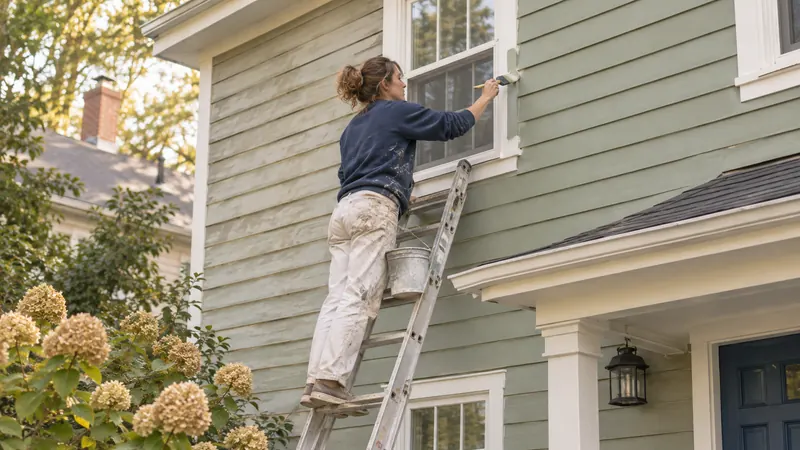
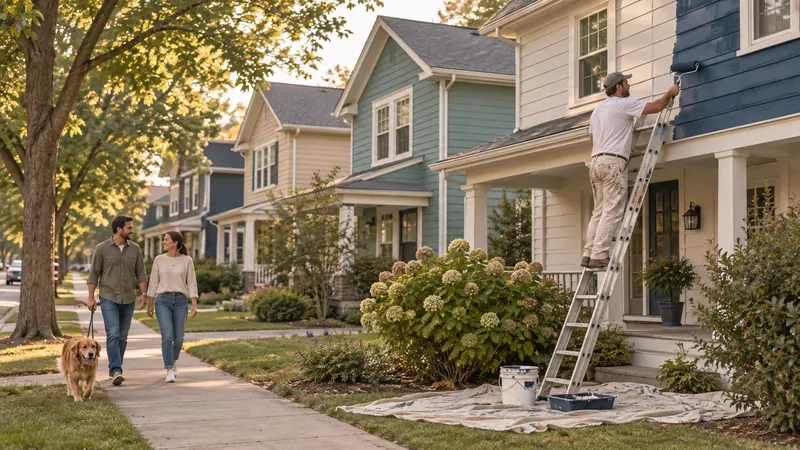
In most of the U.S., demand peaks from spring through early fall. Exterior work is concentrated in warmer, drier months, and many homeowners plan interior projects for spring cleaning or before summer gatherings. In colder climates, the exterior painting season is especially short, which concentrates demand even more.
Does painting in the off-season save money?
It often can, especially for interiors. Several cost guides cite off-season savings in the range of 10% to 20%. One estimates that scheduling between November and February often saves 10% to 20% as painters look to keep crews busy. A New England painting contractor notes that some contractors offer off-season discounts of 10% to 20% in winter, though availability and pricing vary.
Some painting companies advertise formal winter specials for interior work. Others don't discount at all but offer faster scheduling. It's always worth asking.
Savings aren't guaranteed. Prices depend on your local market, how busy a particular painter is, and the size of your project.
Interior painting: almost any time works
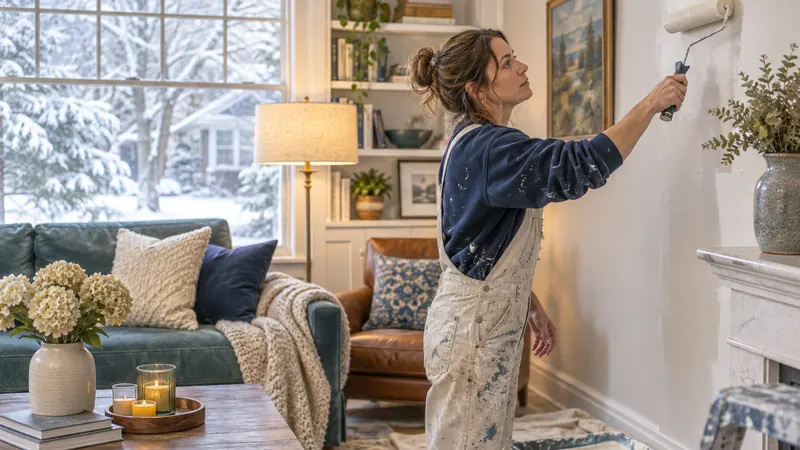
Interior painting doesn't depend on the weather, so it's a natural fit for the off-season. Winter has some advantages:
- Easier scheduling and faster start dates
- More attention from painters who aren't rushing between jobs
- Lower humidity indoors from heating, which can help paint dry
A few things to plan for:
- Ventilation: windows may stay closed, so low-odor, low-VOC paints are helpful.
- Holidays: late November through December can be busy for homeowners who want rooms done before guests arrive.
Exterior painting: weather sets the window
Exterior paint has temperature and moisture limits printed on the label. Painting outside those limits can cause poor adhesion, blistering or slow curing. General rules of thumb:
- Temperature: many exterior paints require air and surface temperatures above a minimum, often around 35°F to 50°F depending on the product, and stable temperatures through drying.
- Moisture: surfaces need to be dry. Rain, dew and high humidity can ruin a fresh coat.
- Direct sun and heat: painting in hot, direct sun can cause the paint to dry too fast.
That's why late spring and early fall are often considered ideal for exterior work in many climates: moderate temperatures and lower humidity. Shoulder seasons can also be less busy than mid-summer.
In warm climates like Florida, Arizona or southern California, exterior painting can happen most of the year, but heat, afternoon storms and humidity still shape the schedule.
How climate and location affect timing
Your region changes the calendar:
- Cold-winter regions: short exterior season, high summer demand, winter interior deals more likely
- Hot, humid regions: exteriors often scheduled around storms and heat, with mornings preferred
- Mild coastal regions: longer painting seasons, but moisture and salt air matter
See how location affects painting prices for more on regional differences.
Tips for getting the best timing
- Get quotes early. For a spring or summer exterior, start collecting quotes in winter.
- Ask about off-season pricing for interior work, and whether flexible start dates help.
- Be flexible. Offering to fill a gap in a painter's schedule can sometimes earn a better price.
- Bundle work. Combining several rooms or an interior and exterior project may reduce cost per area.
- Don't rush an exterior into bad weather just to save money. A failed exterior paint job costs far more.
Our tips for lowering your painting bill include more ways to save.
Frequently asked questions
What is the cheapest time of year to hire a painter?
For interior work, late fall and winter are often the cheapest, because demand drops. Savings vary by market and painter, and some don't discount at all.
Can you paint a house exterior in winter?
In mild climates, often yes. In cold climates, it depends on whether temperatures stay above the paint's minimum and surfaces stay dry. Many painters avoid exteriors in winter in colder regions.
How far ahead should I book a painter?
For peak-season exteriors, several weeks to a few months ahead is common. Interior projects in the off-season can often start sooner.
Sources
- PaintPricing.com: Free Painting Estimate
- PaintPro New England: Winter Interior Painting
- Angi: How Much Does It Cost to Paint a House Exterior?
Prices in this article are national ranges from the sources listed and are meant for planning. Your actual price depends on your home, your local market and the contractor you choose.