Hiring a professional painter is a big expense, and it's natural to look for ways to bring the price down. The good news is there are plenty of ways to save without cutting the corners that make a paint job last.
The key is understanding where your money goes. Angi estimates labor makes up 60% to 90% of a painting project's cost. So the most effective savings come from reducing how long the job takes.
1. Clear the rooms yourself
Moving furniture, taking down pictures, curtains and shelves, and clearing out closets all take a painter's time. Ask whether the quote changes if you handle this yourself. Even when the painter still covers and protects things, a clear room is faster to work in.
2. Paint walls only, or limit the surfaces
Trim, doors, ceilings and closets add a lot of time. Angi notes that painting just the walls can cut the cost roughly in half compared with painting everything. If your ceilings and trim are in good shape, consider leaving them for another time.
3. Prioritize the rooms that matter most
You don't have to paint the whole house at once. Focus on the rooms that get the most use or are most visible, such as the living room, kitchen and entry, and schedule the rest later.
4. Bundle rooms into one project
On the other hand, painters have setup, travel and cleanup time on every job. Grouping several rooms into one project often lowers the cost per room compared with hiring a painter for one room at a time. Ask for pricing both ways.
5. Stay close to your current colors
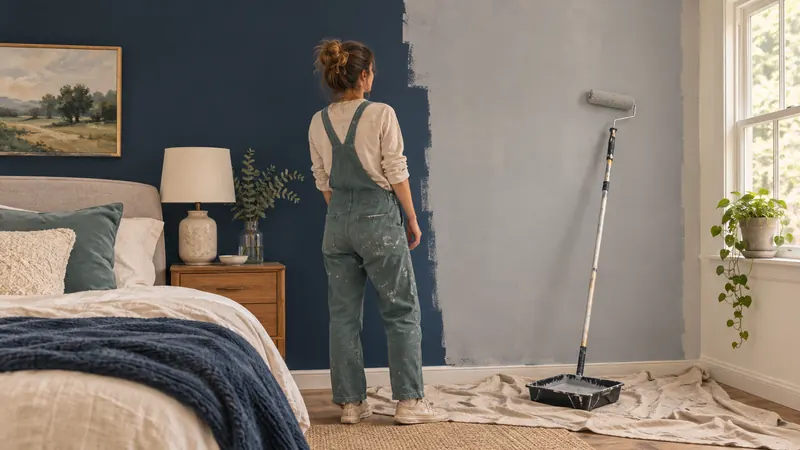
Dramatic color changes, especially dark to light, often need primer or an extra coat. Contractors estimate that can add $150 to $300 per room. Choosing colors close to what you have now keeps the job to a standard two coats. Our guide to color changes explains when it matters most.
6. Limit the number of colors
Every extra color means more cutting in, more cleanup and more paint inventory. Using one wall color across several rooms, and one trim color throughout, is faster and cheaper than a different color in every room.
7. Fix small problems early
Small issues like a few peeling spots on exterior trim, failed caulk or minor water damage are cheaper to address now than after they spread. Repainting before paint fails completely usually means less scraping and prep. Our article on prep work explains why condition matters so much.
8. Be flexible on timing
Many painters are busiest in spring and summer, especially for exteriors. If your project can wait, ask whether there's any savings for scheduling interior work during a slower season, or for taking an opening on the painter's calendar on short notice.
9. Ask about the paint, but don't go cheap
Painting contractors often buy paint at a discount. Angi notes contractors may pay up to about 50% less for paint than retail customers. That's one reason it's usually better to let the painter supply it. Choosing the cheapest paint rarely saves much, because labor is the bigger cost, and low-quality paint may need extra coats or fail sooner.
10. Get several written quotes
The FTC recommends getting multiple written estimates before hiring a contractor. Comparing quotes helps you spot a price that's out of line. Make sure each one covers the same scope, using our quote comparison checklist.
11. Ask what drives the price
Ask a painter you like, "What are the biggest drivers of cost on this job, and what could we change to bring it down?" A good contractor will tell you honestly whether dropping the ceilings, changing a color or handling some prep yourself would make a real difference.
12. Don't pay for the wrong kind of savings
Some savings cost more in the end:
- Skipping prep leads to peeling and early repainting.
- Hiring an uninsured painter can leave you liable for injuries or damage.
- Choosing a lowball quote that leaves out surfaces, coats or prep often leads to change orders or poor results.
- Paying cash with no contract leaves you with little recourse.
Our guide to lowball quote red flags covers what to watch for.
What about DIY?
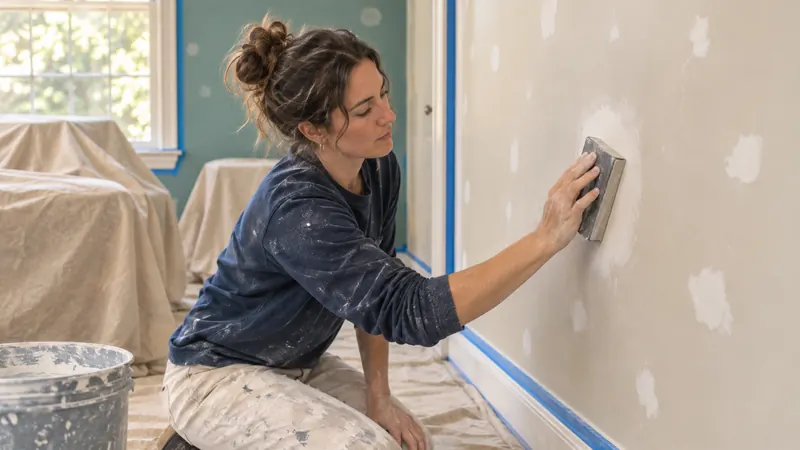
Doing it yourself saves the most on labor, but it takes time, tools and skill, and the results show. Many homeowners split the work: they handle a few simple rooms themselves and hire a pro for high ceilings, stairwells, exteriors and cabinets. In homes built before 1978, be aware that scraping and sanding can disturb lead paint. See our guide to lead paint and older homes.
Go deeper on two of the biggest levers: timing your project for the off-season and deciding whether to include trim, doors and ceilings. If you're weighing doing it yourself, see DIY vs. hiring a painter.
Frequently asked questions
What is the cheapest way to get a room painted professionally?
Clear the room yourself, keep the color similar to what's there, have the painter do walls only if trim and ceilings are in good shape, and bundle it with other rooms if possible.
Is it cheaper to buy my own paint?
Usually not. Contractors often get significant discounts on paint, and some charge extra or limit warranties when customers supply materials. Ask your painter which option works out better.
Can I negotiate with a painter?
Yes, but the most productive way is to adjust the scope rather than simply asking for a lower price. Removing surfaces, simplifying colors or taking on easy prep tasks can lower the price without the painter cutting corners.
Sources
- Angi: How Much Does It Cost to Paint a Room? (updated October 2026)
- PaintPro New England: Painting Over Dark Colors
- Federal Trade Commission: How To Avoid a Home Improvement Scam
- NerdWallet: How to Save on the Cost to Paint a House
Prices in this article are national ranges from the sources listed and are meant for planning. Your actual price depends on your home, your local market and the contractor you choose.