The color you choose isn't just a design decision. It can change how much paint, primer and labor your project needs. A small shift from one neutral to another usually fits within a standard two-coat repaint. A dramatic change, especially from dark to light, often doesn't.
Here's how color changes affect a painting quote, and how to plan for them.
Why a color change costs more
A standard repaint usually assumes two coats of finish paint over a sound surface. That's enough when the new color is close to the old one. When the colors are far apart, two coats may not fully hide what's underneath, and the old color can "ghost" through, leaving the wall looking blotchy or uneven.
To fix that, a painter has two options:
- Add primer. A primer coat, often tinted gray or toward the new color, creates a neutral base so the finish coats can cover evenly.
- Add a finish coat. A third coat of paint can build up enough coverage on its own, though it's usually less efficient than priming.
Either way, it's another full pass over every wall, which means more labor and more material.
How much a color change adds
Estimates vary with room size and how dramatic the change is, but contractors offer some useful rules of thumb:
- A New England painting contractor estimates that covering a dark color with a lighter one typically means a gray-tinted primer plus two finish coats, adding about $150 to $300 per room compared with a same-color repaint.
- PaintPricing.com estimates that dramatic color changes add roughly 15% to 25% to the cost of the affected rooms.
- Angi estimates an extra coat at about $50 to $70 per 300 to 400 square feet of wall area, plus primer that runs about $10 to $20 per gallon.
For a whole house with several dramatic color changes, these extras can add up to a meaningful part of the bill.
Which color changes cost the most
Dark to light
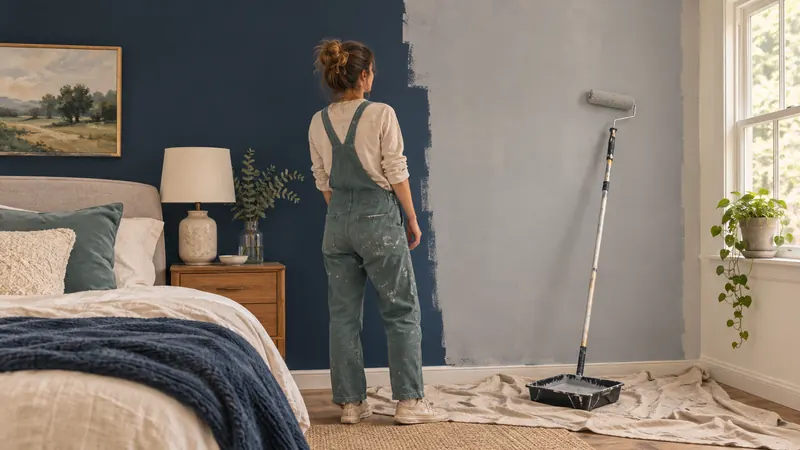
This is usually the most expensive change. Covering navy, charcoal, deep green or red with white, cream or a pale neutral almost always needs primer. Without it, even three coats of light paint can leave a shadow of the old color.
Light to dark
Going darker is generally easier, because dark colors hide what's underneath. Still, very deep colors are often made with a clear base that has less built-in hiding power, so they may need a tinted primer or an extra coat to look rich and even.
Bright and saturated colors
Bold reds, oranges and some yellows are known for poor coverage. Even over a light base, they can take three or more coats to look solid. A gray or color-matched primer often helps.
Same or similar color
Refreshing a room in the same or a very similar color is the cheapest option. It's often the best choice when budget matters most, and it can sometimes allow a single coat in good conditions, though two coats is the safer standard.
Other factors that interact with color
- Paint quality. Higher-quality paints usually have better hiding power, which can reduce the number of coats needed. See our guide to how painters calculate quotes for how materials fit into the price.
- Sheen. Changing from a flat finish to a glossier one, or the reverse, can show differences in texture and may need extra prep.
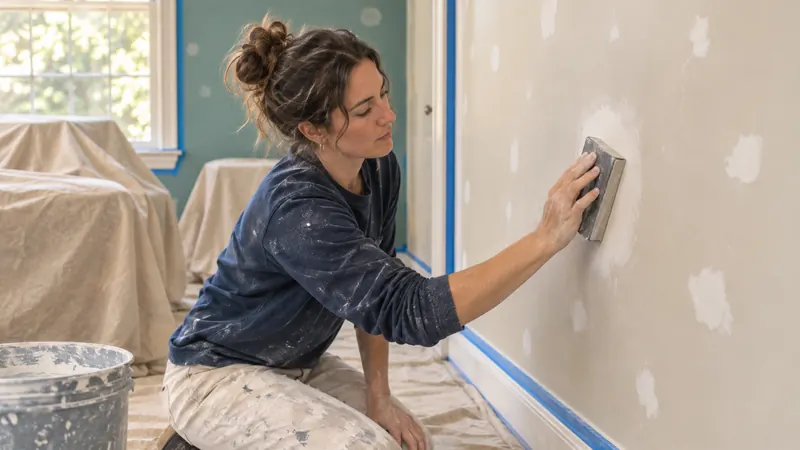
- Condition of the wall. Patches and repairs need spot-priming anyway, which overlaps with color-change priming. Our article on prep work explains this in more detail.
- Accent walls. One dark accent wall in an otherwise light room is a smaller job, but it may add cutting-in time along the edges.
How color shows up on a quote
A good quote will say how many coats are included and whether primer is part of the price. Watch for:
- "Two coats" with no mention of primer on a dramatic color change. Ask whether the painter expects two coats to cover, or whether a third coat or primer will be an extra charge.
- "One to two coats as needed." This gives the painter discretion and can lead to thin coverage.
- Separate line items for primer. That's a good sign that the painter has thought through your color change.
If you haven't picked colors yet when you get quotes, tell each painter roughly what you're considering, such as "going from dark gray to off-white in the living room." That way every quote is based on the same assumptions.
Ways to keep color-change costs down
- Choose colors closer to your current ones in rooms where the change matters less.
- Pick a quality paint with good hiding power so fewer coats are needed.
- Group color changes so the painter primes several rooms in one pass.
- Save bold colors for smaller spaces like a powder room or accent wall.
For more ideas, see our guide to lowering the cost of your painting project.
Paint quality and color go hand in hand. Our guide to premium vs. budget paint explains why better hide can save a coat, and our guide to painting before selling covers which colors buyers prefer.
Frequently asked questions
Do I need primer to paint a dark wall white?
Usually, yes. Most painters recommend a stain-blocking or tinted primer before painting a light color over a dark one. Without it, you may need three or more coats of finish paint, and the old color can still show through.
Is paint-and-primer-in-one enough for a color change?
For small or moderate changes it can work well. For dramatic dark-to-light changes, many painters still prefer a separate primer, because it's designed to block the old color and give the finish coats an even base.
Why do red and yellow paints need so many coats?
Many bright, saturated colors are made with pigments that have less hiding power. They can look streaky or uneven until enough coats have built up. A gray or color-matched primer underneath helps them cover in fewer coats.
Sources
- PaintPro New England: Painting Over Dark Colors
- PaintPricing.com: Interior Painting Cost
- Angi: How Much Does It Cost to Paint a Room? (updated October 2026)
Prices in this article are national ranges from the sources listed and are meant for planning. Your actual price depends on your home, your local market and the contractor you choose.