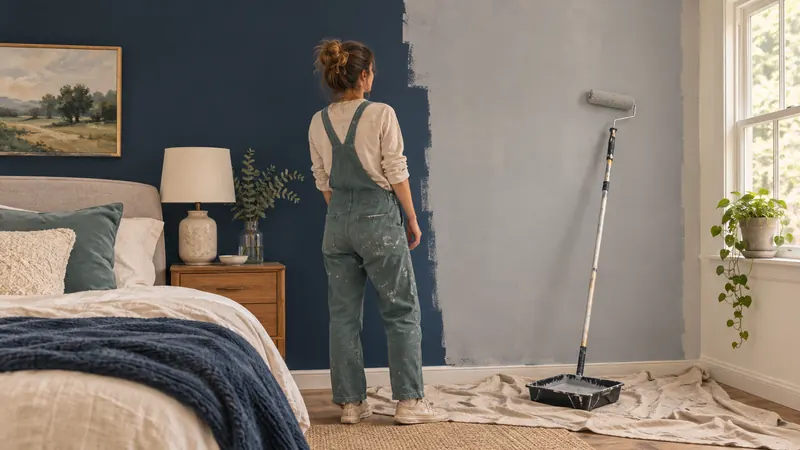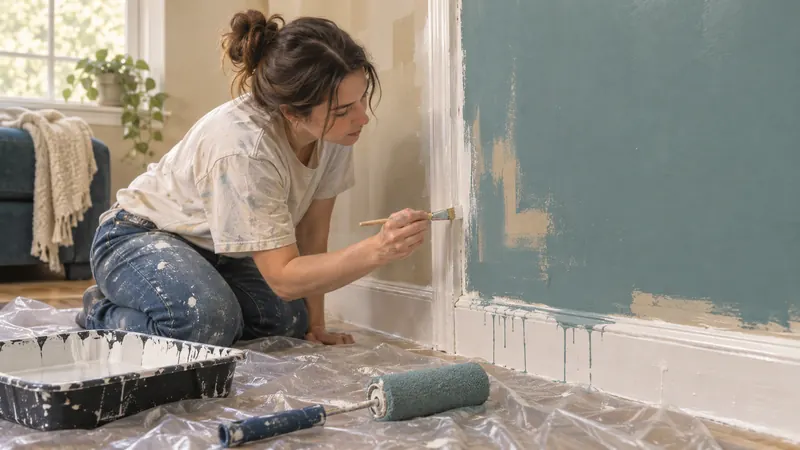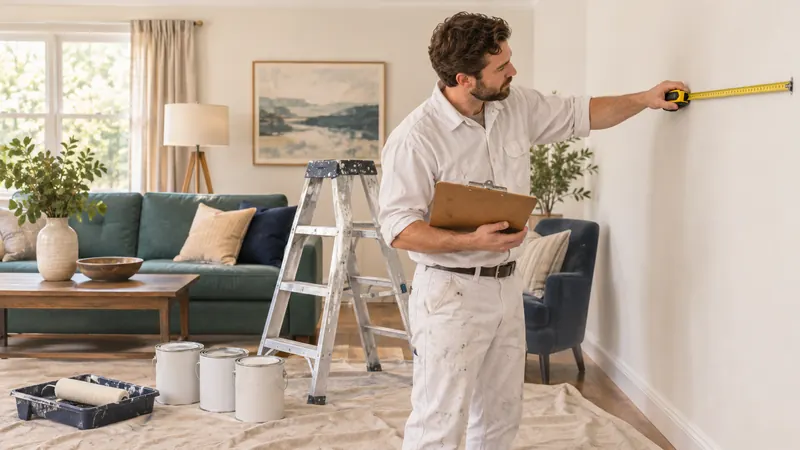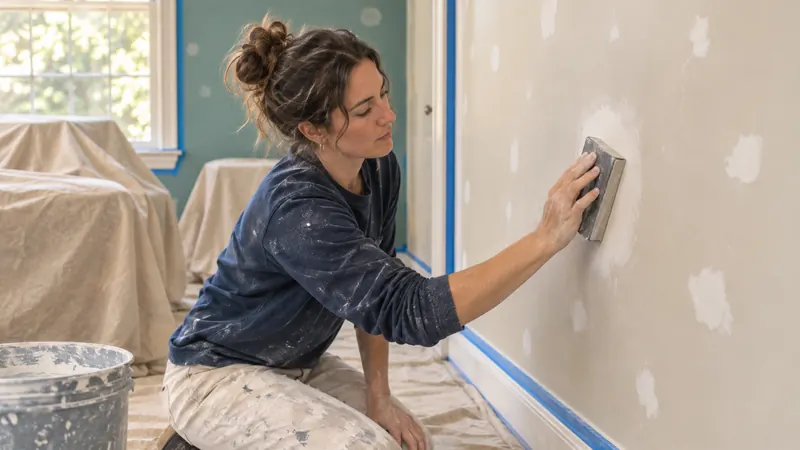
When you look at a freshly painted room, you see color and clean lines. What you don't see is the hours that went in before the first coat: filling holes, sanding patches, caulking gaps, cleaning and protecting everything. That invisible work is prep, and it's one of the biggest reasons painting quotes vary.
As one cost guide puts it, preparation is the single largest variable in an interior painting bid, and it's the one you can't see when you compare two numbers. A wall with cracked drywall seams, filled holes, water stains or a dramatic color change can need hours of work before the brush touches the finish coat.
Why prep drives the price
Painting is mostly labor. Angi estimates labor at 60% to 90% of the cost of a typical painting project. Prep is almost pure labor: it uses inexpensive materials like patching compound, sandpaper, caulk and tape, but it takes time and care. So every hour of prep a painter plans for shows up directly in your quote.
It also changes how long the job lasts. Paint only performs as well as the surface underneath it. Paint applied over dust, grease, gloss or loose old paint doesn't bond well, and it can peel, crack or show every flaw.
What interior prep includes
A thorough interior prep usually involves:
- Moving and covering furniture, and protecting floors with drop cloths or paper.
- Removing outlet covers, switch plates and hardware, or masking them carefully.
- Cleaning walls, especially in kitchens and bathrooms where grease or soap residue can stop paint from sticking.
- Filling nail holes, dents and dings with spackle, then sanding smooth.
- Repairing cracks and drywall damage. Larger repairs, such as fist-sized holes, water damage or cracked seams, are often priced separately or covered by an allowance.
- Caulking gaps where trim meets walls and around door and window casings.
- Sanding glossy surfaces like trim and doors so new paint grips.
- Spot-priming patches and stains so they don't show through ("flashing").
- Masking edges, floors and fixtures.
- Daily cleanup and final walkthrough.
Some situations need more. Heavily textured or badly damaged walls may need skim coating, which adds a full extra layer of labor before any paint goes on. Water stains, smoke damage and marker usually need a stain-blocking primer.
What exterior prep includes
Exterior prep matters even more, because the surface is fighting sun, rain and temperature swings. A thorough exterior prep typically includes:
- Washing the siding and trim to remove dirt, chalking and mildew, then letting it dry.
- Scraping all loose and peeling paint.
- Sanding rough edges so the transition between old paint and bare wood is smooth.
- Repairing or replacing small areas of rotted wood (often priced separately).
- Removing failed caulk and re-caulking joints, seams and trim.
- Spot-priming bare wood and repairs with a suitable primer.
- Protecting landscaping, walkways, windows, fixtures and vehicles.
In homes built before 1978, any scraping or sanding of painted surfaces may involve lead-based paint. Contractors must be lead-safe certified and use containment and cleanup practices that add time and cost. See our guide to lead paint and older homes.
How prep shows up on a quote
Painters handle prep in different ways on paper:
- Built into the price. Most common. The quote says something like "patch and sand nail holes, caulk trim, spot-prime repairs."
- Listed as separate line items. Common for bigger repairs: drywall patches, wood replacement, wallpaper removal.
- Allowances. For example, "includes up to two hours of drywall repair; additional repair at $X per hour."
- Not mentioned. The riskiest version. If the quote is silent, you have no way of knowing what will be done.
A good painting quote describes prep in specific terms. "Proper preparation" and "standard prep" are not specific.
How to tell how much prep your home needs
Walk your rooms or exterior with a critical eye before you get quotes:
| What you see | What it usually means for prep |
|---|---|
| Lots of nail holes from pictures | Patching and sanding, minor cost |
| Hairline cracks at corners or seams | Taping or caulking, moderate time |
| Water stains or smoke marks | Stain-blocking primer before paint |
| Glossy trim or doors | Sanding or deglossing so new paint sticks |
| Gaps between trim and wall | Caulking |
| Peeling or flaking paint (exterior) | Scraping, sanding, spot-priming |
| Soft or rotted wood (exterior) | Carpentry repair, usually priced separately |
| Mildew or chalky residue (exterior) | Washing and drying before painting |
The more of these you see, the more prep time a careful painter will build in, and the bigger the gap may be between a thorough quote and a bare-minimum one.
Can you save money by doing prep yourself?
Some of it, yes. Moving furniture, taking down pictures and curtains, removing outlet covers and clearing the work area are easy ways to reduce a painter's hours. Our guide to lowering your painting bill covers more ideas.
Technical prep, such as patching, sanding and priming, is usually best left to the painter. If your patches aren't sanded flat or the wrong primer is used, the painter may have to redo the work, or the flaws will show through the finish.
Why skipped prep costs more later
A painter who skips prep can finish faster and quote lower, and on day one the room may look fine. The problems show up later: patches that flash through the paint, caulk lines that crack, peeling trim, or exterior paint that fails after a few seasons instead of lasting years. Repainting early, or having another painter strip and redo failed work, almost always costs more than paying for proper prep the first time.
That's why prep is the first thing to compare when quotes are far apart. If one quote is much lower, ask what prep it includes. Our article on lowball quote red flags covers other things that often go missing.
Prep is also the biggest reason some paint jobs last longer than others. See how long paint lasts for typical repaint intervals.
Frequently asked questions
How much of a painting job is prep?
It varies with the condition of the surfaces. On a clean, recently painted room, prep may be a small part of the job. On older homes, damaged walls or exteriors with peeling paint, prep can take as long as the painting itself or longer.
Do painters charge extra for drywall repair?
Minor patching of nail holes and small dings is usually included. Larger repairs, such as holes, water damage or cracked seams, are often priced separately or covered by an allowance. Ask how repairs beyond the basics will be priced.
Is primer always necessary?
No. Primer is typically needed on bare drywall, bare wood, patched areas, stains, glossy surfaces and big color changes. On a sound, previously painted wall in a similar color, two coats of quality paint may be enough.
Sources
- Angi: How Much Does It Cost to Paint a Room? (updated October 2026)
- Property Blueprint: Interior Painting Cost in the US
- U.S. EPA: Lead Renovation, Repair and Painting Program Rules
Prices in this article are national ranges from the sources listed and are meant for planning. Your actual price depends on your home, your local market and the contractor you choose.