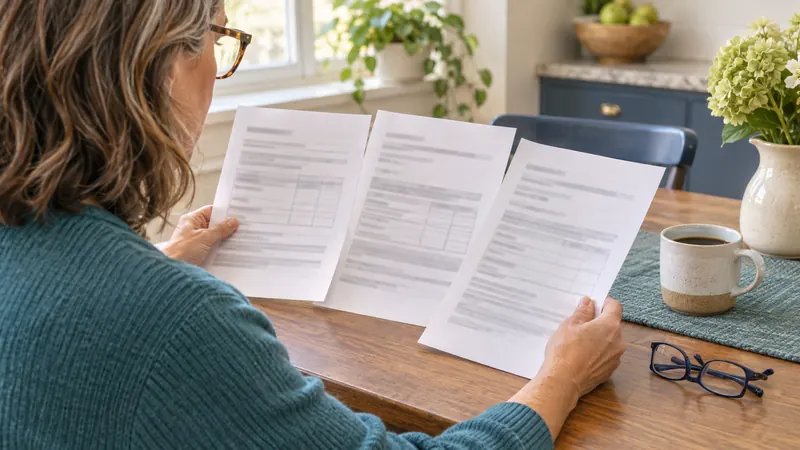
Everyone likes a good deal. But when one painting quote comes in thousands of dollars below the rest, it's worth slowing down. Sometimes the low bidder is simply efficient or hungry for work. More often, the low price comes from something missing, and you find out what it was after the job starts or a year later when the paint starts peeling.
Here are the most common things a lowball painting quote leaves out, and the warning signs that should make you ask more questions.
What a lowball quote usually leaves out
Prep work
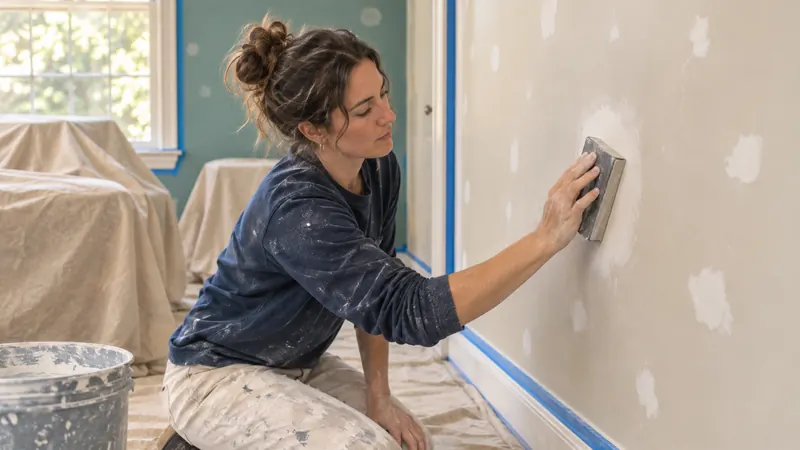
Prep is time-consuming, invisible once the paint is on, and easy to skip. A low quote may assume a quick wipe and paint instead of patching, sanding, caulking and spot-priming. On exteriors, skipping scraping and priming is one of the most common reasons paint fails early. Professional contractors point out that when quotes differ widely, one bid often planned full scraping, sanding and priming while the other assumed a quick scuff-and-coat.
Coats
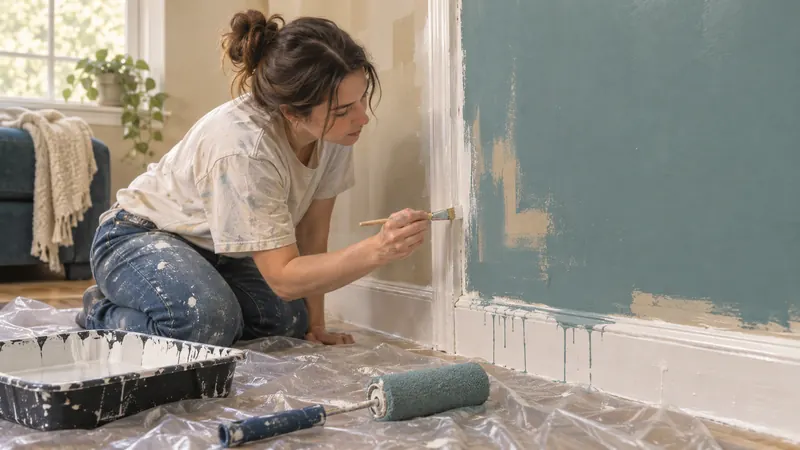
Two coats of finish paint is the normal standard for a repaint. A quote that says "one coat," or "one to two coats as needed," gives the painter room to stop at one. That can leave thin spots, lap marks and uneven color, especially over a color change.
Surfaces
Trim, doors, ceilings, closets and window sashes take time. A lowball quote may simply not include them, or include them only in some rooms. Angi notes that painting just the walls and skipping trim can often cut the price roughly in half, which is exactly why the omission is so tempting.
Paint quality
Paint ranges from around $10 a gallon to over $100. A quote that doesn't name the exact product leaves room for the cheapest option. Low-grade paint often covers poorly, needs more coats and wears out sooner.
Insurance and proper labor
Insurance and workers' compensation cost real money. A contractor who skips them can underbid everyone, but you may carry the risk if a worker is injured on your property or something gets damaged. The FTC advises considering only contractors who are licensed and insured and asking for proof of insurance.
Lead-safe practices in older homes
In homes built before 1978, contractors who disturb painted surfaces must be lead-safe certified under the EPA's Renovation, Repair and Painting rule and follow work practices that contain dust. Doing it right takes extra time and materials. A bid that ignores this may be cheaper, but it can put your family's health at risk. See our guide to painting older homes.
Red flags in how the quote is presented
The quote itself often tells you a lot:
- A one-line description. "Paint interior, $2,800" with no list of rooms, surfaces, prep or products.
- No named paint product. Just "quality paint" or nothing at all.
- No written quote at all. Only a verbal number or a text message.
- Unclear coat count. "One to two coats" or no mention of coats.
- Prices that seem to drop the moment you hesitate. Big, unexplained discounts suggest the first number wasn't based on real costs.
- Lots of "allowances" or "extras to be determined." A low base price with vague add-ons can grow fast.
Red flags in how the contractor does business
The Federal Trade Commission lists several warning signs that apply directly to painting jobs. They include contractors who:
- Pressure you to decide immediately. The FTC's consumer materials call this a big red flag and advise you to take your time.
- Ask for cash only. The FTC lists asking for everything up front or accepting only cash as common scam tactics.
- Want most or all of the money up front. The FTC advises not paying the full amount up front, and notes that some states limit how much a contractor can ask for as a down payment.
- Won't provide proof of license or insurance.
- Won't sign a written contract or leave blanks to "fill in later."
Why the cheapest quote can cost more
A lowball job often ends in one of these ways:
- Change orders. The low price covered the minimum, and everything else becomes an extra once work has started and you have little leverage.
- Early failure. Skipped prep and thin coats can lead to peeling, flashing and touch-ups that don't blend. Repainting sooner than you planned costs more than doing it right once.
- An unfinished job. A contractor who underbid may run out of money or move on to a better-paying job before yours is done.
- Liability exposure. An injury or damage involving an uninsured crew can become your problem.
How to respond to a very low quote
You don't have to throw out a low quote. Use it as a starting point for questions:
- "Which rooms and surfaces are included? Ceilings, trim, doors and closets?"
- "What prep is included, and what would be an extra charge?"
- "What paint product and sheen are you using, and how many coats?"
- "Can you send a certificate of insurance?"
- "Are you lead-safe certified?" (for homes built before 1978)
- "What's the deposit, and what's the payment schedule?"
- "What does your warranty cover, and for how long?"
If the answers line up with the other quotes and the contractor is licensed, insured and well reviewed, you may have found a genuinely good price. If they don't, you've found the reason the price was low. For a full comparison method, see our side-by-side quote checklist.
Payment terms can be a warning sign too. Our guide to deposits, payment schedules and change orders explains what's normal, and our warranty guide covers what a fair warranty includes.
Frequently asked questions
How much lower than other quotes is too low?
There's no fixed rule, but if one quote is 30% or more below the others for what looks like the same job, ask detailed questions about scope, prep, coats, products and insurance before you accept it.
Is it a red flag if a painter asks for a deposit?
A reasonable deposit to schedule the job and buy materials is common. A demand for most of the price up front, or for cash only, is a warning sign. The FTC also advises never making the final payment until the work is done and you're satisfied. Some states set limits on down payments, so check your state's consumer protection rules.
Can a low quote still be legitimate?
Yes. Smaller companies with lower overhead, or contractors with an open slot in their schedule, can offer good prices. The key is confirming that the scope, products and insurance match what the others are offering.
Sources
- Federal Trade Commission: How To Avoid a Home Improvement Scam
- Federal Trade Commission: Pass It On, Home Repairs
- U.S. EPA: Lead Renovation, Repair and Painting Program Rules
- Angi: How Much Does It Cost to Paint a Room? (updated October 2026)
- CoverPro Painting: How Much Does It Cost to Paint a House?
Prices in this article are national ranges from the sources listed and are meant for planning. Your actual price depends on your home, your local market and the contractor you choose.