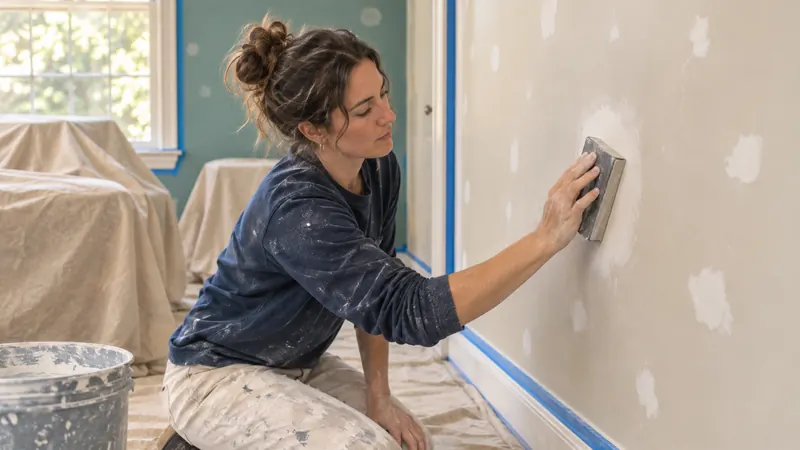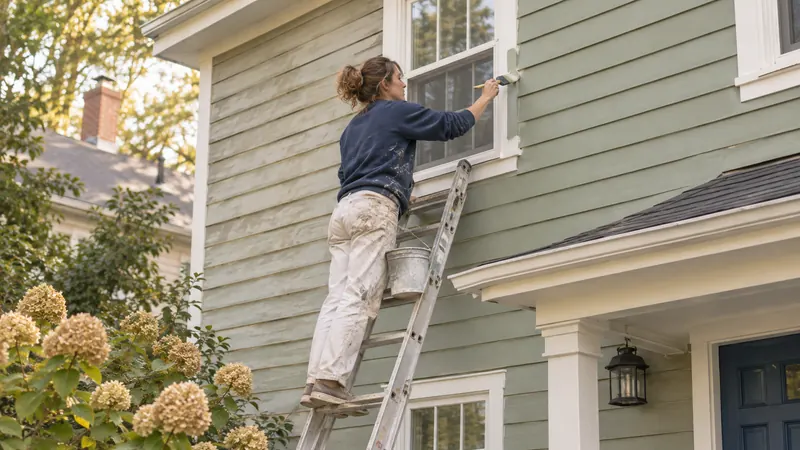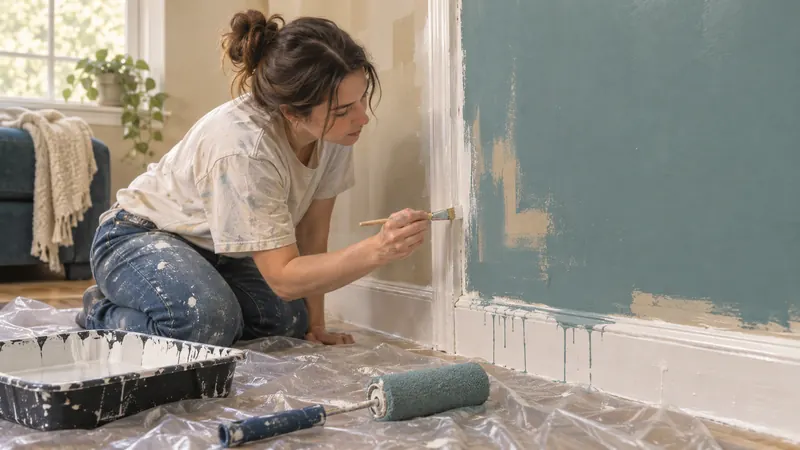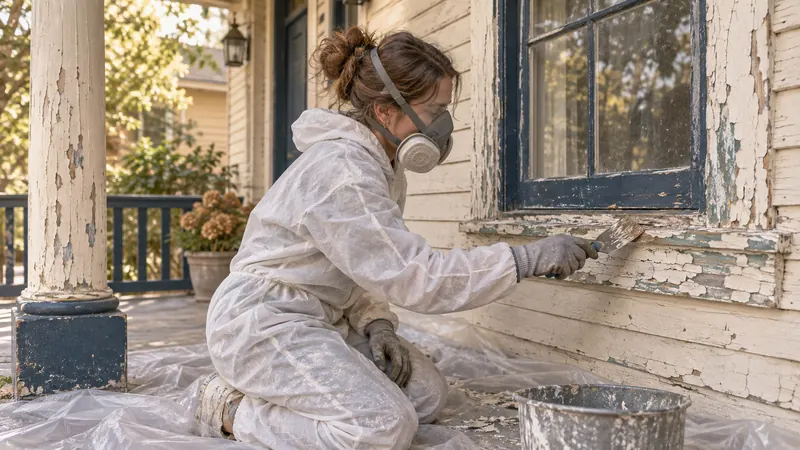
If your home was built before 1978, there's a good chance it has lead-based paint somewhere under the newer layers. Intact lead paint isn't an immediate hazard, but scraping, sanding and other prep work can turn it into dust that's dangerous to breathe or swallow, especially for young children and pregnant women.
That's why federal rules control how painting contractors work in older homes. Here's what those rules require, and what they mean for your painting quote.
Why 1978 matters
The federal government banned lead-based paint for residential use in 1978. Homes built before then may contain it, and the older the home, the more likely it is. The EPA's Renovation, Repair and Painting (RRP) rule applies to paid work that disturbs painted surfaces in pre-1978 homes, child care facilities and kindergartens. It took effect on April 22, 2010.
What the RRP rule requires
Under the RRP rule, contractors working in pre-1978 homes must:
- Be certified. The company must be an EPA-certified firm (or certified by an EPA-authorized state program), and work must be done or directed by a certified renovator. Renovator certification requires an 8-hour training course and is valid for five years.
- Provide information. Homeowners must receive the EPA's "Renovate Right" pamphlet before work begins.
- Contain the work area. Plastic sheeting, sealed doorways and covered floors keep dust from spreading.
- Minimize dust. Certain high-dust methods, such as open-flame burning and power sanding without HEPA dust collection, are prohibited.
- Clean thoroughly. Cleanup uses HEPA vacuums and wet wiping, followed by a cleaning verification.
- Keep records that show the rule was followed.
The rule applies when a job disturbs more than a small area of paint. Based on federal thresholds summarized in a Washington State report, that means more than about 6 square feet per room inside or 20 square feet outside. Most painting projects with real prep work exceed those thresholds.
How lead-safe work affects your quote
Following the rule takes extra time and materials:
- Setting up and taking down containment
- Plastic sheeting, tape, protective equipment and HEPA vacuums
- Slower prep methods that limit dust
- Specialized cleanup and cleaning verification
- Recordkeeping and certification costs, such as the $300 EPA firm certification fee that must be renewed every five years
How much this adds depends on the size of the job and how much paint is disturbed. Exterior jobs with lots of scraping, or interiors with extensive trim and window work, will see more impact than a light repaint. Georgia's environmental agency notes that lead-safe work practices typically add a relatively small cost to a project, especially compared with the cost of cleaning up lead contamination or treating lead poisoning.
Testing for lead before painting
You don't have to guess whether lead is present. Options include:
- Assume lead is present. Many contractors simply follow lead-safe practices on any pre-1978 home. This is common and avoids testing costs.
- Test kits. Certified renovators can use EPA-recognized test kits on the specific surfaces they'll disturb.
- Professional inspection. A certified lead inspector or risk assessor can test the home more thoroughly. Angi estimates $200 to $400 for a lead inspection, with full risk assessments costing up to about $2,000.
The EPA's guidance for do-it-yourselfers recommends hiring a certified inspector or risk assessor if you want to know for sure.
Why the cheapest quote can be the riskiest
A contractor who ignores lead rules can save time and quote lower. But that puts you and your family at risk of lead dust exposure, which can be especially harmful to children. It also exposes the contractor to serious consequences. The EPA lists maximum civil penalties of more than $40,000 per violation per day, and it does bring enforcement cases against painting and renovation companies.
When you collect quotes for a pre-1978 home, ask every painter:
- Is your firm EPA lead-safe certified (or certified under your state's program)?
- Who on the crew is a certified renovator, and will they be on site?
- How will you contain dust and clean up?
- Will you provide the "Renovate Right" pamphlet?
If a painter isn't certified or brushes off the question, that's a red flag. See our guide to lowball quote red flags for more.
What if I'm doing the work myself?
The RRP rule applies to paid contractors, landlords and others who work in rental housing or child-occupied facilities. The EPA notes that homeowners working on their own owner-occupied homes are not covered by the rule, but it still strongly encourages them to follow lead-safe work practices to protect their families.
Older homes often have detailed trim and tall ceilings too. See our guides to trim, doors and ceilings and DIY vs. hiring a pro.
Frequently asked questions
How do I know if my house has lead paint?
The surest way is testing by a certified lead inspector or risk assessor. If your home was built before 1978, it's safest to assume lead may be present until testing shows otherwise.
Does painting over lead paint make it safe?
Covering intact lead paint with new paint can reduce exposure, but the prep work, such as scraping and sanding, is what creates hazardous dust. That's why the RRP rule focuses on how surfaces are disturbed and cleaned up.
Do all painters have to be lead certified?
Contractors who are paid to disturb painted surfaces in pre-1978 homes, child care facilities and kindergartens must be certified under the RRP rule. Some states run their own EPA-authorized programs with similar requirements.
Sources
- U.S. EPA: Lead Renovation, Repair and Painting Program Rules
- U.S. EPA: RRP Program for Do-It-Yourselfers
- U.S. EPA: Lead RRP Fact Sheet
- U.S. EPA: Enforcement Alert on RRP Regulations
- Washington State Department of Commerce: Lead-Based Paint Report (2023)
- Georgia Environmental Protection Division: Six Reasons Why (RRP brochure)
- Angi: How Much Does It Cost to Paint a Room? (updated October 2026)
Prices in this article are national ranges from the sources listed and are meant for planning. Your actual price depends on your home, your local market and the contractor you choose.